How Long Does an Airbrush Tan Last? The Direct Answer
A professionally applied airbrush tan typically lasts 7 to 10 days, with peak color visible in the first 3 to 5 days and a gradual fade over the remainder of the week. With proper aftercare, some clients maintain a natural-looking glow for up to 12 days before the tan fully fades.
Airbrush tanning works by applying a DHA (dihydroxyacetone)-based solution evenly across the skin using a precision spray gun and air compressor. DHA reacts with the amino acids in the outermost layer of the epidermis—the stratum corneum—to produce a browning effect. Because this reaction occurs only in dead skin cells, the tan fades naturally as those cells shed through the skin's normal renewal cycle, which typically completes every 7 to 14 days.
Understanding what affects longevity allows you to maximize every session—whether you're preparing for a special event or maintaining a year-round glow.
Why Airbrush Tanning Outlasts Other Sunless Methods
Not all sunless tanning applications deliver the same longevity. Airbrush tanning—carried out by a trained technician using a professional-grade airbrush gun and compressor—consistently produces results that last longer and look more even than self-applied alternatives. Here's why:
Uniform Coverage Reduces Uneven Fading
When DHA solution is applied unevenly—as often happens with lotions or spray cans—some areas receive more product than others. Those over-saturated patches oxidize more deeply and then fade at a different rate, creating a patchy appearance within just 3 to 4 days. A professional airbrush system delivers consistent atomization across every body surface, so all areas fade at the same rate and the tan looks natural throughout its entire lifespan.
Precise Pressure Control Optimizes Solution Absorption
Professional airbrush tanning equipment allows the technician to adjust airflow pressure and spray volume in real time. This level of control—unavailable with booth spray systems or self-tan products—ensures the solution is applied at the correct distance and saturation for each body zone, including delicate areas like the face, hands, and feet that require lighter application to avoid an unnatural buildup.
High-Quality DHA Concentration in Professional Solutions
Professional airbrush tanning solutions used in salon settings are formulated with DHA concentrations typically ranging from 8% to 14%, depending on the desired depth of color. Higher-quality formulations also include skin-conditioning agents—such as aloe vera, botanical extracts, and moisturizing oils—that support skin hydration, which directly extends how long the tan remains visible before fading.
Factors That Determine How Long Your Airbrush Tan Will Last
Longevity varies from person to person. The following factors have the most measurable impact on how many days your airbrush tan remains at its best:
| Factor | Effect on Longevity | Typical Impact |
|---|---|---|
| Skin hydration level | Well-moisturized skin holds color longer | Up to +3 days |
| Pre-session exfoliation | Removes dead cell buildup for even base | +2 to +3 days |
| Swimming / chlorine exposure | Accelerates cell shedding and strips color | −2 to −4 days |
| Hot showers / steam rooms | Opens pores and accelerates skin turnover | −1 to −3 days |
| Skin type (oily vs. dry) | Oily skin tends to fade faster | −1 to −2 days |
| Post-tan moisturizing routine | Slows skin cell shedding rate | +1 to +3 days |
| DHA concentration in solution | Higher % produces deeper, longer-lasting color | Significant |
Step-by-Step: How to Prepare Your Skin for Maximum Airbrush Tan Longevity
What you do in the 24 to 48 hours before your airbrush tanning appointment has a greater impact on longevity than almost any aftercare product. Follow this preparation routine to start your tan from the best possible base:
- Exfoliate thoroughly 24 hours before your appointment. Use a physical or chemical exfoliant on your entire body to remove the outermost layer of dead skin cells. This creates a fresh, even surface for the DHA solution to react with and prevents rapid, patchy fading in high-turnover areas like the knees, elbows, and ankles.
- Shave or wax at least 24 hours beforehand. Hair removal opens follicles and can cause the solution to pool unevenly. Waiting a full day allows follicles to close naturally.
- Shower with a gentle, sulfate-free cleanser on the day of your appointment. Avoid oil-based body washes, which leave a residue that blocks DHA absorption. Do not apply any moisturizer, deodorant, or perfume before the session.
- Arrive with clean, dry skin. Any moisture on the skin surface—including sweat—will dilute and streak the tanning solution during application. Pat dry thoroughly and allow your skin to reach room temperature before the session begins.
- Wear loose, dark clothing to your appointment. Tight clothing applied immediately after an airbrush tan can rub off solution before it has fully developed on the skin, creating streaks and reducing overall color depth.
Aftercare Habits That Extend Your Airbrush Tan by Days
Once your airbrush tan has fully developed—typically within 4 to 8 hours of application—how you care for your skin determines whether it lasts 7 days or closer to 12. The core goal is to slow skin cell shedding while keeping the treated layer as intact as possible.
Moisturize Daily with a DHA-Friendly Formula
Apply a fragrance-free, oil-free body lotion every day after your first post-tan shower. Well-hydrated skin sheds cells more slowly, which directly extends visible tan duration. Avoid products containing alcohol, alpha-hydroxy acids (AHAs), or retinoids—all of which accelerate cell turnover and will strip your tan in days rather than a week.
Shower in Lukewarm Water, Not Hot
Hot water opens pores, weakens the skin's lipid barrier, and significantly speeds up cell shedding. Switching to lukewarm showers and limiting shower time to 5 to 7 minutes can add 1 to 2 full days of visible color to your tan.
Pat—Don't Rub—When Drying Off
Rubbing with a towel is one of the most common ways people inadvertently accelerate tan fading. Physically abrading the skin surface removes tanned cells prematurely, creating uneven patches. Patting gently with a soft towel after every shower is a simple habit change that meaningfully extends longevity.
Avoid Chlorine and Salt Water
Both chlorinated pool water and ocean salt water are highly damaging to airbrush tans. Chlorine in particular acts as a mild bleach on the skin surface and can fade a tan noticeably after a single swim session. If swimming is unavoidable, apply a water-resistant body oil as a protective barrier before entering the water.
How Airbrush Tanning Equipment Affects the Quality and Longevity of Results
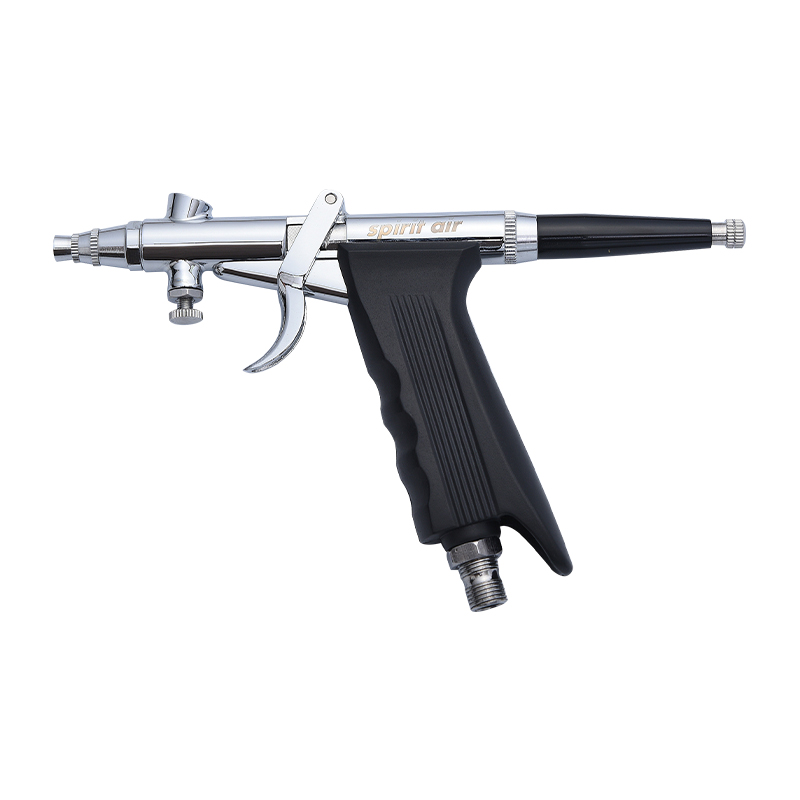
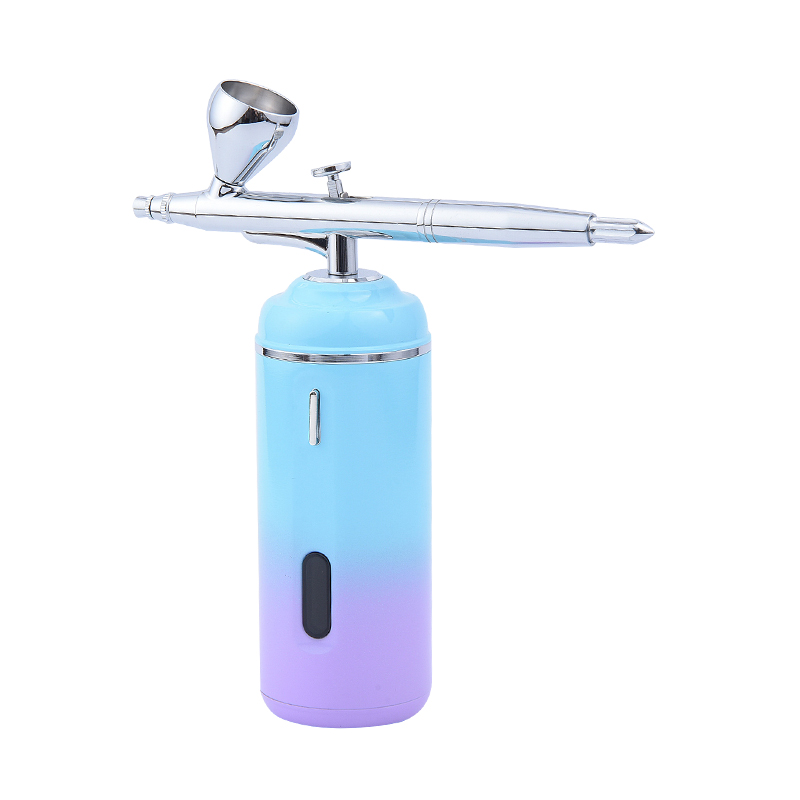
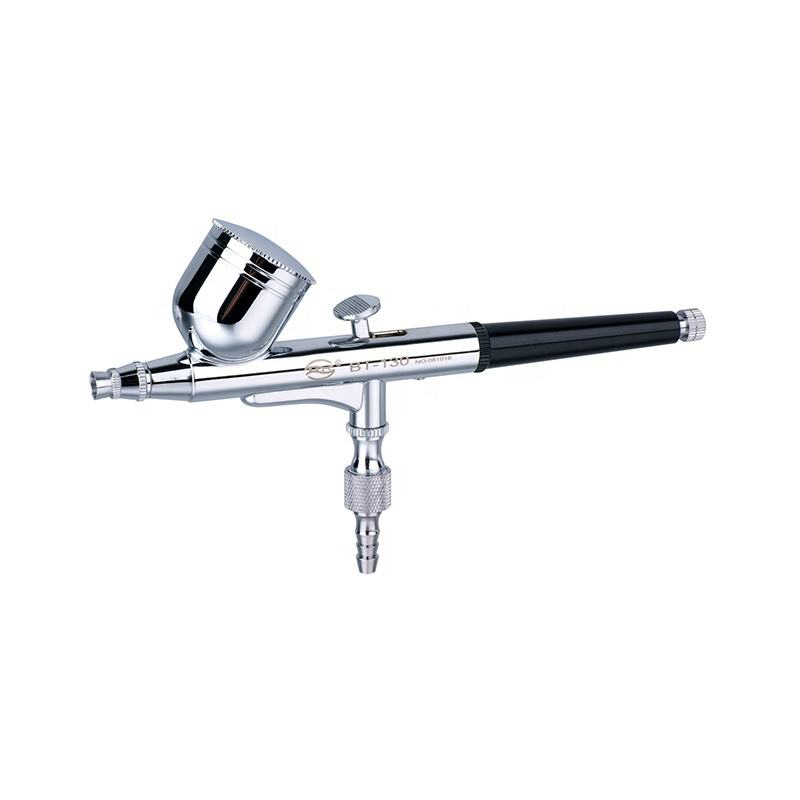
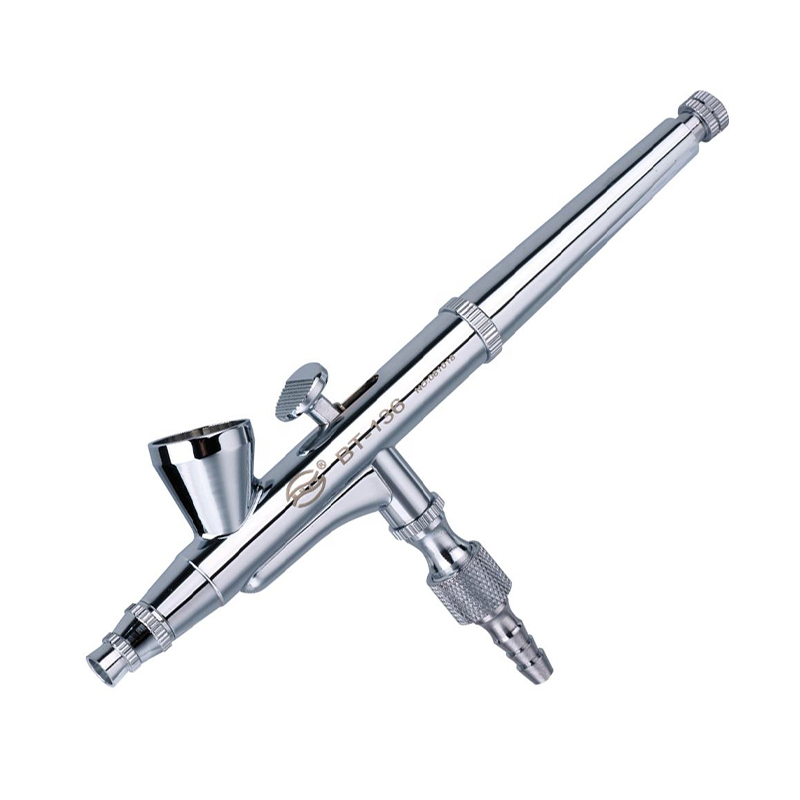
The equipment used to apply an airbrush tan plays a direct role in how even and long-lasting the result will be. This is why professional-grade airbrush tanning kits—rather than basic consumer spray cans—are the standard in salons and mobile tanning businesses worldwide.
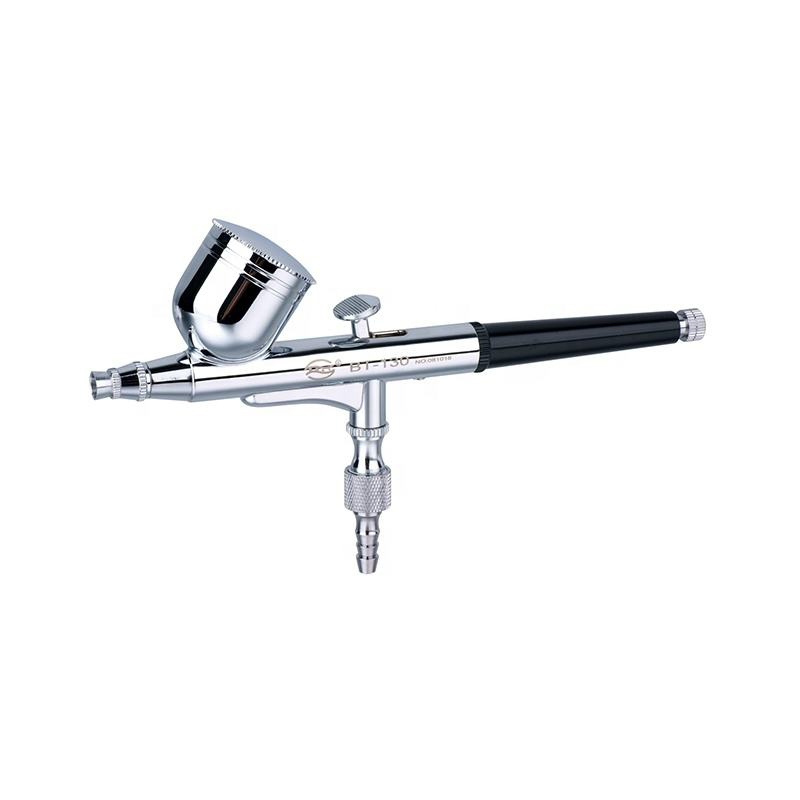
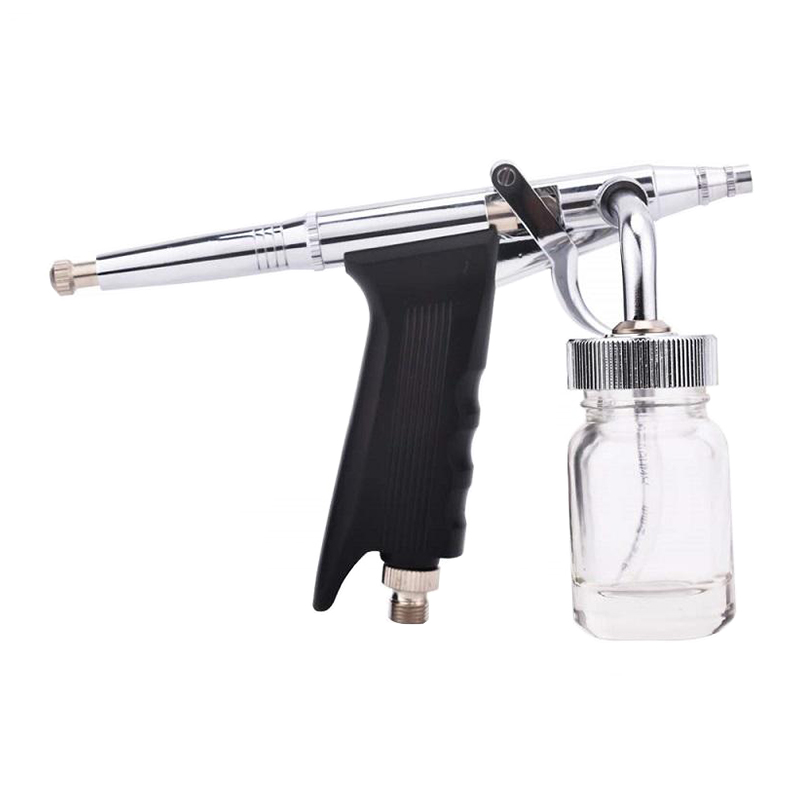
Companies such as Ningbo Bolt Mechanical and Electrical Technology Co., Ltd. (btairbrush.com) manufacture professional airbrush tanning compressor kits designed specifically for the beauty industry. Their systems feature advanced nozzle design and precise air pressure regulation, which—according to the manufacturer—allows for accurate control of spray volume and range to achieve seamless skin color transitions and natural-looking results. Equipment meeting CE and GS international certification standards ensures consistent atomization performance across every application.
The key equipment specifications that affect airbrush tan quality and longevity include:
- Nozzle size: A 0.3 mm to 0.5 mm nozzle is standard for body tanning. Smaller nozzles are used for detailed facial work where finer atomization produces a lighter, more natural finish.
- Double-action trigger mechanism: Allows independent control of air and solution flow, giving the technician the ability to adjust coverage depth in real time without changing tools.
- Air compressor output stability: A compressor with a built-in air tank (minimum 1.5 L) delivers pulse-free, consistent airflow—eliminating the pressure spikes that cause streaking and over-saturation.
- Material quality: Airbrush guns made from copper with chrome plating resist corrosion from the chemical components in DHA solutions, maintaining spray accuracy over extended use.
For salon owners and mobile tanning technicians sourcing professional equipment, manufacturers offering OEM and custom-configuration options—such as portable compressor kits with branded packaging—provide an effective route to building a professional service offering without compromising on application quality.
Airbrush Tan Development Timeline: What to Expect Hour by Hour
Many clients are confused about the difference between the immediate bronzer effect and the actual DHA tan development. Understanding the timeline prevents common mistakes such as showering too early and washing away color before it has fully set.
| Time After Application | What Is Happening | Recommended Action |
|---|---|---|
| 0–1 hour | Cosmetic bronzer provides immediate color; DHA reaction beginning | Stay dry; avoid sweating |
| 1–4 hours | DHA actively reacting with skin amino acids | Avoid water contact and tight clothing |
| 4–8 hours | Color deepening; medium to full development for most skin types | First rinse acceptable (no soap) |
| 8–12 hours | Tan reaches full depth; cosmetic bronzer washes off in shower | Full shower with gentle cleanser |
| Days 1–5 | Peak tan color; DHA fully oxidized | Moisturize daily; avoid exfoliation |
| Days 5–10 | Gradual, even fade as tanned cells shed naturally | Continue moisturizing; consider tan extender |
| Day 10–14 | Tan fully faded; skin returned to natural tone | Exfoliate before rebooking session |
How Often Should You Book Airbrush Tanning Sessions?
For clients who want a continuous, maintained tan throughout the year, booking every 7 to 10 days aligns perfectly with the natural fade cycle. Scheduling your next session just before the tan fully fades—rather than waiting for it to disappear completely—allows you to exfoliate just before the appointment and begin the next application cycle on a clean, even base.
For event-specific tanning—weddings, photoshoots, holidays—book your airbrush tanning session 24 to 48 hours before the event. This allows enough time for the DHA reaction to fully develop and for the cosmetic bronzer to be rinsed away, leaving only the clean, developed color for the occasion.
Clients with faster skin cell turnover—often those who exercise intensely or have naturally oily skin—may benefit from booking every 6 to 7 days and focusing on intensive moisturizing between sessions to slow the rate of fade.